A herniated disc can make everyday movement difficult. Sitting, bending, walking, or even getting comfortable at night may start to feel like a challenge when a disc presses on a nearby nerve. The good news is that many people improve with conservative care and do not need surgery as a first step.
What a herniated disc is
Your spinal discs act like cushions between the bones in your spine. When one of those discs starts to bulge or the inner material pushes outward, it can irritate nearby nerves and cause pain, tingling, numbness, or weakness.
Common symptoms to watch for
Symptoms can vary depending on where the disc problem is located. Some people feel pain in the low back or neck, while others notice pain that travels into the leg, foot, shoulder, or arm. Tingling, numbness, and muscle weakness may also happen when a nerve is under pressure.
In many cases, symptoms build over time. A small movement may suddenly make the pain worse, but the irritation often starts before that moment. That is one reason it helps to get symptoms evaluated early rather than trying to push through them for weeks.
Why non-surgical care is often the first step
For many people, conservative treatment is the best place to start. Major health sources note that most herniated discs improve without surgery, especially when treatment focuses on reducing inflammation, easing pressure on the nerve, and helping the body heal.
This approach often includes a mix of activity changes, home care, targeted therapies, and symptom management. At Lake Stevens Chiropractic, the overall tone across the site centers on natural pain relief, non-invasive care, and helping patients understand their options in plain language.

#1 Activity modification and rest
Rest can help during a painful flare-up, but too much inactivity may leave the area even stiffer. In most cases, the goal is to avoid movements that clearly aggravate the disc while still keeping the body moving in gentle, manageable ways.
What to avoid during a flare-up
Heavy lifting, repeated bending, twisting, and long periods in one position can all make symptoms worse. If certain movements increase leg pain, arm pain, or numbness, that is usually a sign the irritated nerve needs less stress for a while.
Simple posture and movement changes that help
Short walks, changing positions often, and sitting with better support may help reduce irritation. Many people also feel better when they avoid slouching and use a sleeping position that keeps the spine more neutral.
#2 Ice, heat, and home care
Home care can be a helpful early step when symptoms are mild to moderate. Ice is often used earlier in a flare-up to calm irritation, while heat may help reduce muscle tightness and stiffness after the sharpest inflammation settles down.
Simple measures like avoiding aggravating activity, taking short breaks from sitting, and using basic home care consistently can make a real difference. These treatments do not correct every cause of pain on their own, but they may help calm symptoms enough to make movement and recovery easier.
#3 Chiropractic care and spinal decompression
Chiropractic care is one non-surgical option people often consider when disc symptoms do not improve with rest alone. Lake Stevens Chiropractic highlights non-invasive care for spinal problems and presents spinal decompression as a treatment used to relieve symptoms associated with herniated discs, sciatica, and compressed nerves.
How gentle traction may help a herniated disc
Spinal decompression and chiropractic traction are designed to gently reduce pressure in the spine. The clinic describes these therapies as a way to create space, reduce nerve compression, and support healing without surgery, which aligns closely with the message already used on its treatment pages and blog content.
For patients who are a good fit, this type of care may be part of a broader plan that includes evaluation, gentle treatment, and guidance on daily habits. That kind of practical, step-by-step care style matches the clinic’s overall website voice well.
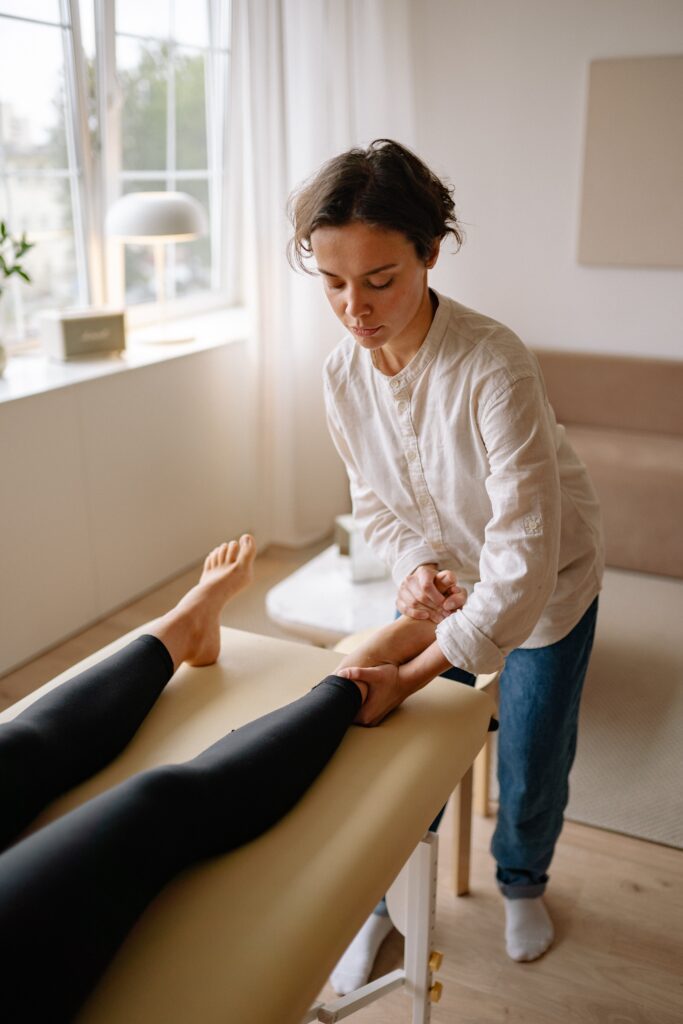
#4 Physical therapy and corrective exercise
Exercise can sound intimidating when the back or neck already hurts, but the right kind of movement may help support recovery. Physical therapy and corrective exercises are commonly used to improve mobility, strengthen the muscles that support the spine, and reduce the chance of repeated flare-ups. Similar to our three ways to ease a pinched nerve, those tips can also be applied to disc issues.
Stretching vs. strengthening
Both can matter, but they serve different purposes. Gentle stretching may help reduce stiffness and improve motion, while strengthening helps create better support around the spine over time.
#5 Medications and other nonsurgical medical care
Some people also use medication as part of conservative treatment. Over-the-counter anti-inflammatory medication may help reduce pain and swelling, and some patients may discuss prescription medication or injections with a medical provider when symptoms are more severe.
Over-the-counter anti-inflammatories
These medications do not fix the disc itself, but they may make symptoms more manageable in the short term. That can help some people stay active enough to tolerate other parts of treatment, such as walking, therapy, or chiropractic care.
When a herniated disc needs urgent attention
Not every disc problem is an emergency, but some symptoms need prompt medical evaluation. Severe weakness, worsening numbness, loss of bladder or bowel control, or symptoms after a major injury should not be ignored.
If pain keeps getting worse or starts interfering with walking, balance, or normal function, it is a good idea to seek professional guidance. Red-flag symptoms call for timely medical attention rather than waiting to see if they go away on their own.
Is chiropractic care a good fit?
Chiropractic care may be a good fit for people looking for a conservative, non-surgical approach to disc-related pain. Lake Stevens Chiropractic positions its care around natural pain relief like spinal decompression, and personalized treatment for conditions such as herniated discs and nerve irritation.
A proper evaluation is important because not every patient needs the same treatment. When care is tailored to the person, non-invasive treatment may help reduce pressure, improve function, and make daily life more comfortable.