
Numb toes, tingling hands, or feet that burn at night? If you’re researching peripheral neuropathy treatment, start by finding out why your nerves are acting up, because the cause decides the treatment. Here’s what neuropathy is, how it differs from a pinched nerve, and where chiropractic care fits.
Can a chiropractor help with neuropathy? Quick answer:
Yes a chiropractor can help! Chiropractic care can’t cure or reverse peripheral neuropathy but it can definitely help! Neuropathy often has medical causes attached to it, such as diabetes, low vitamin B12, or medication side effects, that need a doctor’s diagnosis first. Chiropractic care can help when pressure on a nerve in the spine is adding to your symptoms, and with the back, neck, and muscle pain that often comes with neuropathy.
Think of it as two tracks: a medical workup to find the cause, and a musculoskeletal exam to check whether your spine is part of the picture.
What is peripheral neuropathy?
Your peripheral nerves carry signals between your brain and spinal cord and the rest of your body. In peripheral neuropathy, some of those nerves are damaged, so signals get lost, fire when they shouldn’t, or get garbled. The National Institute of Neurological Disorders and Stroke (NINDS) notes that more than 100 types have been identified.
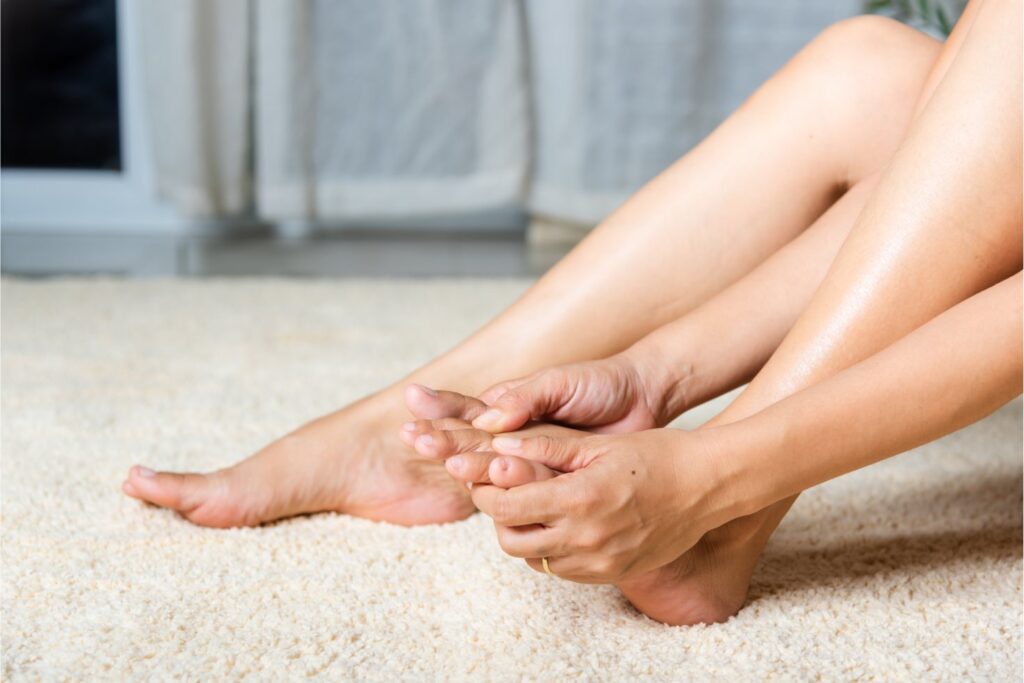
Most types start in the nerves farthest from the brain, which is why neuropathy in the feet is so common. Typical symptoms include:
- numbness and tingling, often in both feet, sometimes like wearing socks that aren’t there
- burning, stabbing, or electric pain, often worse at night
- muscle weakness, cramps, or poor balance
Common causes
According to Mayo Clinic, diabetes and metabolic syndrome are the most common causes, and more than half of people with diabetes develop some type of neuropathy. Other causes include:
- Vitamin problems: low B12 or other B vitamins. Too much vitamin B6 can also damage nerves.
- Medications: especially some chemotherapy drugs.
- Alcohol use and kidney, liver, or thyroid disease.
- Autoimmune conditions and infections, such as lupus, Guillain-Barré syndrome, shingles, or Lyme disease.
- Injury or pressure on a nerve, from accidents, repetitive motion, or a herniated disc.
Sometimes no cause is found. Only one item here, pressure on a nerve, is mechanical. The rest need blood tests and a physician’s care.
Neuropathy vs. pinched nerve: what’s the difference?
A pinched nerve can also cause numbness and tingling, and some people have both. These general patterns can help you describe your symptoms:
| Peripheral neuropathy | Pinched nerve | |
| Where you feel it | Usually both feet or both hands, fairly evenly | Usually one side, in a band down an arm or leg |
| How it starts | Gradually, often in the toes first, creeping upward | Often suddenly, sometimes after lifting, a fall, or long sitting |
| Effect of posture | Changes little with position | Often changes when you sit, bend, or turn your head |
| Back or neck pain | May or may not be present | Often present |
| Common causes | Diabetes, low B12, medications, alcohol | Herniated disc, narrowing in the spine, tight muscles |
| Good first stop | Your primary care doctor or a neurologist | A chiropractor or physician |
This table isn’t a diagnosis. If leg symptoms seem to start in your low back, see our guide to sciatica treatment.
Where chiropractic fits in peripheral neuropathy treatment
Chiropractic care can play a supportive role in a peripheral neuropathy treatment plan, particularly when back pain, joint stiffness, or other musculoskeletal problems add to a person’s discomfort. Lake Stevens Chiropractic offers services such as chiropractic adjustments, soft tissue therapy, and therapeutic exercises that may be considered based on an individual evaluation.
The goal of this supportive care is to address movement limitations and accompanying musculoskeletal pain, while medical treatment focuses on the underlying cause of neuropathy, such as diabetes or a vitamin deficiency.
As part of our peripheral neuropathy care, your plan may include:
- Chiropractic adjustments to improve spinal motion and ease pressure where a joint or disc may be irritating a nerve root.
- Spinal decompression therapy, a gentle traction approach aimed at relieving pressure on spinal nerves.
- Soft tissue therapy, using massage and manual techniques to release tight muscles around irritated nerves.
- Nutritional counseling, with general guidance on diet. Ask your doctor to check your vitamin levels before you start supplements, since too much B6 can itself cause neuropathy.
These are most likely to help when something mechanical is contributing, like a low-back disc problem adding to foot symptoms, and with the back pain and stiffness many people with neuropathy also have. They don’t replace managing blood sugar, correcting a deficiency, or reviewing medications with your doctor.
Chiropractic adjustments have not been established as a way to reverse peripheral nerve damage, so they should complement appropriate medical care. A coordinated approach can help patients work toward greater comfort, mobility, and day-to-day function.

Daily habits that support nerve health, Most of these come straight from the CDC and NINDS:
- Keep blood sugar in range if you have diabetes. It’s one of the best ways to keep nerve damage from worsening.
- Check your feet every day for cuts, blisters, or redness, using a mirror if needed. Numb feet won’t warn you.
- Never go barefoot, and wear shoes that fit well. If you have diabetes, get a full foot exam at least once a year. Our page on orthotics and foot health explains how foot mechanics affect the rest of your body.
- Move every day. Walking, biking, or swimming for 10 to 20 minutes a day beats one long weekly session.
- Limit alcohol and skip smoking. Both harm nerves and circulation.
- Take posture breaks. If tingling comes and goes with desk work or long drives, try these 3 ways to relieve a pinched nerve.
Cleveland Clinic notes that some neuropathies can be stopped or reversed if treated quickly. See your doctor promptly for:
- new numbness, tingling, or burning in your hands or feet that hasn’t been checked
- a foot sore, blister, or cut that’s infected or won’t heal
- weakness, tripping, or falls
- dizziness when you stand, or changes in bladder, bowel, or digestion
Get emergency care for weakness that spreads over hours or days, trouble breathing or swallowing, loss of bladder or bowel control, or numbness in the groin area.
If you’re living with peripheral neuropathy and wondering whether chiropractic care could fit into your treatment plan, Lake Stevens Chiropractic welcomes you to schedule a consultation. We’ll discuss your symptoms, review your health history, and help you understand whether our services may be appropriate for your needs alongside your medical care.
Call (425) 334-5066 to take the next step toward a personalized plan focused on your comfort and mobility.